
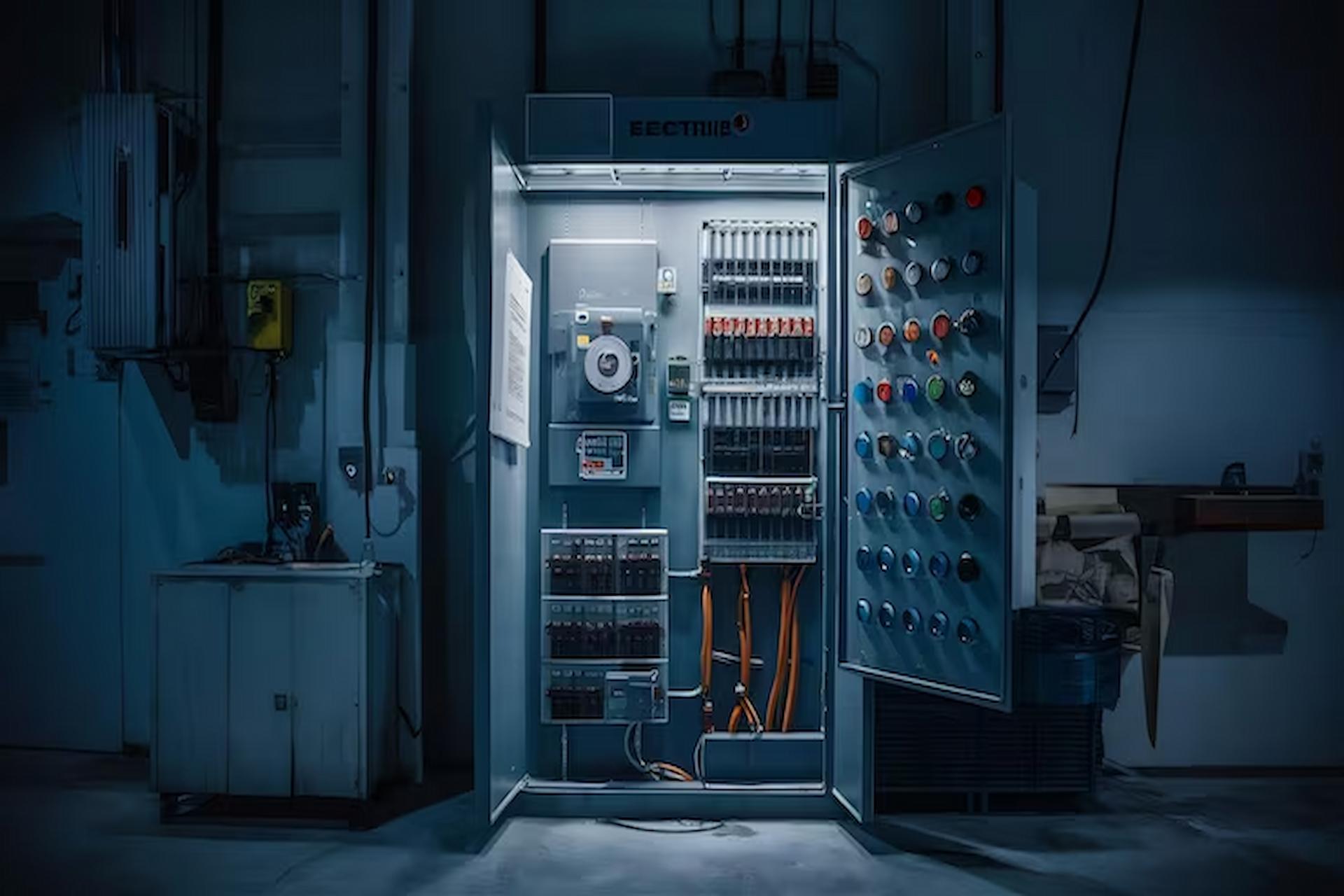
Connected devices are transforming industries, homes, and everyday technology. As innovation accelerates, custom electronic enclosures are evolving to support smarter, smaller, and more durable electronics. From IoT systems to industrial automation, enclosure design now plays a critical role in performance, protection, and scalability. This article explores how modern enclosure solutions are adapting to emerging technology trends while enhancing functionality, sustainability, and device integration in connected environments.
Connected devices are becoming part of nearly every industry. Smart homes, industrial automation, healthcare systems, electric vehicles, and wearable technology all depend on reliable electronic hardware. However, behind every successful connected device is a protective structure that often goes unnoticed. That structure is the electronic enclosure.
Modern electronics require more than simple protection. Devices now require durable housing that supports connectivity, thermal management, wireless communication, sustainability, and compact form factors. As a result, the future of custom electronic enclosures is rapidly evolving alongside smart technology.
Why Connected Devices Need Better Enclosures
Connected devices operate in increasingly demanding environments. They are exposed to heat, moisture, vibration, electromagnetic interference, and physical impact. At the same time, consumers and businesses expect smaller, lighter, and more attractive designs.
Many manufacturers investing in custom electronic enclosures now prioritise rapid prototyping, modular designs, and adaptable manufacturing processes to meet changing market demands. Companies looking to accelerate innovation often explore enclosure development platforms that simplify production workflows and improve design flexibility. View Website to explore how modern enclosure prototyping solutions are helping businesses develop connected products faster and more efficiently.
Several factors are driving this shift:
- Increased IoT adoption
- Miniaturisation of electronics
- Demand for wireless communication
- Need for energy efficiency
- Faster product development cycles
- Industrial automation growth
As smart technology expands, enclosure engineering becomes more important than ever.
The Rise of Smart IoT Devices
The Internet of Things continues to reshape industries worldwide. Smart sensors, automation systems, connected appliances, and monitoring devices all depend on stable hardware protection.
IoT devices often operate continuously. Many are installed outdoors or in industrial environments where conditions can become extreme. Because of this, enclosure design directly affects device lifespan and reliability.
Future-ready enclosures must support:
- Wireless signal performance
- Waterproof sealing
- Dust resistance
- Temperature regulation
- Compact component layouts
- Easy maintenance access
Customisation allows manufacturers to design enclosures around specific device requirements rather than forcing electronics into generic housings.
Miniaturisation Is Changing Design Standards
Modern electronics continue to become smaller and more powerful. Consumers now expect compact products that deliver advanced functionality without bulky hardware.
This trend creates major engineering challenges. Smaller devices generate concentrated heat while leaving less internal space for airflow and cooling systems.
Future custom electronic enclosure designs must maximise internal efficiency while maintaining durability and protection. Designers are now using advanced CAD modelling and rapid prototyping to optimise space utilisation.
Miniaturisation also encourages the use of lightweight materials and precision manufacturing techniques that improve portability without sacrificing structural integrity.
Advanced Materials Will Shape the Future
Material innovation is playing a major role in the evolution of enclosures. Older enclosure materials often lacked flexibility, thermal performance, or environmental resistance.
Today’s connected devices require stronger, smarter materials to support modern applications.
Future enclosure materials may include:
- High-performance polymers
- Lightweight aluminium alloys
- Carbon fibre composites
- Conductive plastics
- Recyclable eco-friendly materials
- Heat-dissipating composites
These materials improve durability while supporting wireless communication and thermal efficiency.
Sustainability is also influencing material selection. Businesses increasingly prefer recyclable and environmentally responsible manufacturing solutions.
Wireless Connectivity Requires Smarter Designs
Connected devices depend heavily on wireless communication technologies such as:
- Wi-Fi
- Bluetooth
- Zigbee
- Cellular networks
- LoRaWAN
- 5G connectivity
Unfortunately, poor enclosure design can interfere with signal strength and connectivity performance.
Metal enclosures, for example, may block or weaken wireless signals. Designers must carefully balance shielding requirements with signal transparency.
This is where custom enclosure engineering becomes extremely valuable. Manufacturers can optimise antenna placement, material selection, and internal layouts to support reliable communication performance.
AI and Automation in Enclosure Design
Artificial intelligence is beginning to influence hardware engineering and product development. AI-driven software can analyse performance requirements, optimise layouts, and improve thermal management strategies.
Machine learning tools may soon automate parts of enclosure design by predicting:
- Structural weaknesses
- Heat distribution issues
- Material performance
- Manufacturing efficiency
- Wireless interference risks
This technology could dramatically shorten development timelines while improving design precision.
Automation is also improving manufacturing consistency and reducing production errors.
Security and Compliance Challenges
Connected devices often handle sensitive information. Enclosure design now plays a role in both physical and cybersecurity protection.
Tamper-resistant enclosure features are becoming more common in industries such as healthcare, finance, and industrial control systems.
Future security-focused designs may include:
- Tamper-evident seals
- Secure mounting systems
- Shielded compartments
- Integrated authentication hardware
- EMI protection
Regulatory compliance also continues evolving. Manufacturers must ensure enclosure designs meet safety, environmental, and industry-specific standards.
The Future Looks Highly Customised
Mass customisation is likely to dominate future enclosure manufacturing. Businesses increasingly want enclosure solutions tailored to precise operational needs.
Future technologies will make custom manufacturing more accessible and cost-effective for companies of all sizes.
This shift will benefit industries, including:
- Smart healthcare
- Automotive technology
- Renewable energy
- Consumer electronics
- Industrial IoT
- Telecommunications
As connected technology advances, enclosure innovation will remain essential to product reliability and performance.
Final Thoughts
The future of connected devices depends heavily on smarter hardware protection. Electronic enclosures are no longer simple protective shells. They are now critical engineering components that influence performance, connectivity, durability, and scalability.
As industries continue embracing IoT, automation, and smart systems, demand for advanced custom enclosure solutions will grow rapidly. Businesses that invest in flexible, sustainable, and future-ready enclosure designs will achieve greater product reliability and faster innovation.